
For many students learning English, speaking is the most difficult skill to master. They may understand grammar rules, complete written exercises successfully, and perform well in reading comprehension. However, when it comes to speaking confidently in real conversations, hesitation often becomes a barrier.
Parents frequently ask: What is the fastest way to improve English speaking skills?
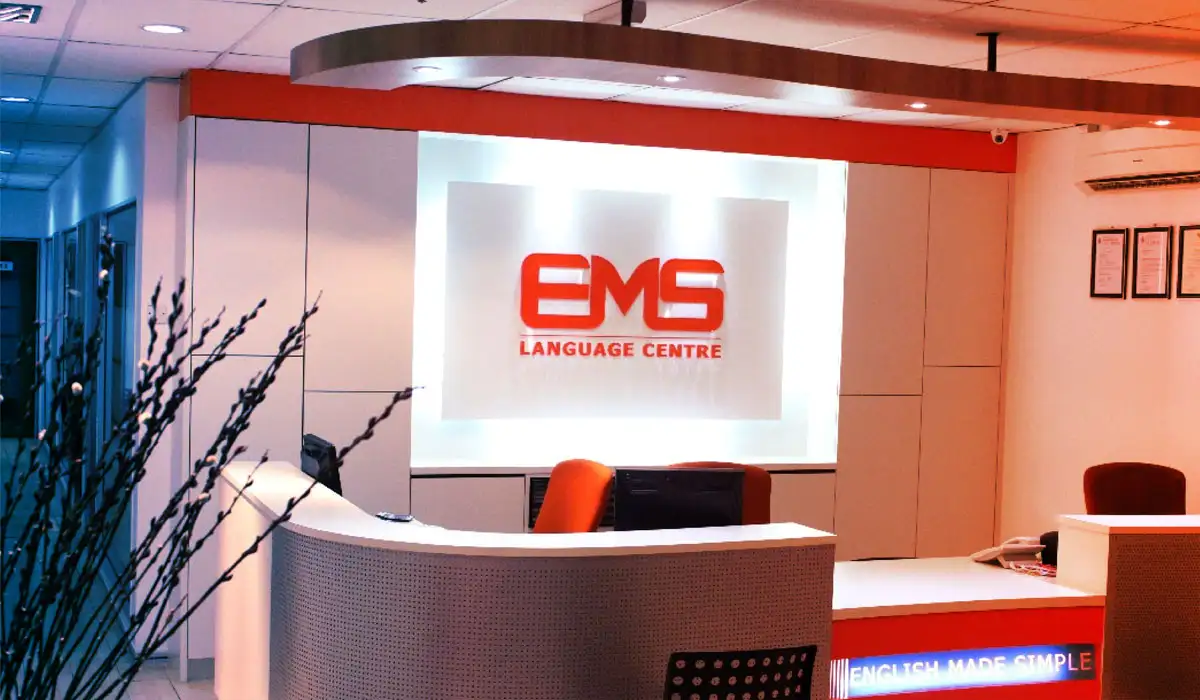
One of the most effective methods is immersive learning through a structured English summer camp. At EMS, the Summer English Camp is designed to accelerate speaking development through daily practice, real time interaction, and guided instruction.
Below, we explain how a summer English immersion camp in Malaysia helps students improve speaking skills quickly and why this approach produces measurable results.
Why Immersion Accelerates Language Learning
Language learning depends on consistent exposure and active usage. Immersion removes the gap between learning and application.
Constant English Exposure
In traditional weekly classes, students may practice English only a few hours per week. At summer camp, English becomes part of the entire day.
Students use English during:
- Classroom discussions
• Group projects
• Social activities
• Presentations
• Team based tasks
Frequent usage strengthens neural pathways associated with vocabulary recall and sentence formation. The more students speak, the more natural communication becomes.
Reduced Native Language Dependence
When students are placed in multicultural environments, English becomes the shared language.
Because peers may not share the same first language, students rely on English to communicate. This encourages thinking directly in English rather than translating from their native language, which significantly speeds up fluency development.
Social Interaction Practice
Speaking improves when students use language in meaningful situations. Casual conversations during meals, activities, and collaborative exercises provide real world practice that textbooks cannot replicate.
These interactions strengthen spontaneous communication and reduce anxiety.
Daily Speaking Practice at EMS
The EMS Summer English Camp prioritizes structured speaking exercises every day. Speaking improvement is not left to chance. It is intentionally built into the curriculum.
Classroom Participation
Teachers encourage active participation rather than passive listening.
Students practice:
- Answering open ended questions
• Sharing opinions
• Describing experiences
• Explaining ideas clearly
Regular participation builds confidence and reduces hesitation over time.
Public Speaking Exercises
Public speaking activities are integrated gradually. Students may begin with small group presentations before progressing to larger audiences.
This structured progression helps students:
- Organize thoughts
• Control pace and tone
• Improve pronunciation
• Maintain eye contact
Public speaking skills improve both academic and personal confidence.
Conversation Workshops
Dedicated conversation sessions focus on practical language usage.
Topics may include:
- Daily life situations
• Travel conversations
• Academic discussions
• Cultural exchanges
Students receive immediate feedback on grammar and pronunciation, helping them refine accuracy while maintaining fluency.
Small Group Learning Advantage
The size and structure of classes directly affect speaking opportunities.
Personalized Feedback
In smaller groups, instructors can observe each student’s speaking patterns and provide corrective feedback tailored to individual needs.
This may include:
- Pronunciation adjustment
• Sentence restructuring
• Vocabulary expansion suggestions
Personalized feedback accelerates improvement.
Increased Speaking Opportunities
Smaller classes mean each student has more time to speak. This consistent practice builds automaticity and confidence.
Safe Learning Environment
Students are more comfortable speaking in supportive environments where mistakes are viewed as part of the learning process.
Confidence grows when students feel encouraged rather than judged.
Pronunciation and Clarity Improvement
Speaking fluency is not only about vocabulary. Pronunciation and clarity play critical roles.
Focused Pronunciation Exercises
Teachers conduct drills to improve:
- Vowel and consonant sounds
• Word stress
• Sentence rhythm
• Intonation patterns
Improved pronunciation increases intelligibility and reduces misunderstandings.
Listening Integration
Speaking and listening are interconnected. Listening exercises expose students to different accents and speaking speeds, enhancing comprehension and response accuracy.
Confidence Building Through Activities
Confidence is often the missing link in speaking development.
Role Plays and Simulations
Students practice real life scenarios such as:
- Ordering food
• Asking for information
• Participating in classroom discussions
• Giving short speeches
Simulations help students rehearse conversations before encountering them in real situations.
Team Based Challenges
Collaborative tasks require students to communicate ideas clearly to teammates.
This strengthens:
- Vocabulary recall
• Sentence fluency
• Leadership communication
Cultural and Social Engagement
Supervised cultural experiences provide authentic opportunities to speak English outside formal lessons.
Real world application reinforces classroom learning and builds self assurance.
Rapid Improvement Within Weeks
Parents often notice improvement quickly during immersive programs.
Faster Sentence Formation
Students begin forming complete sentences without long pauses.
Reduced Fear of Mistakes
Frequent speaking practice normalizes small errors and reduces anxiety.
Greater Willingness to Participate
Students volunteer answers more confidently and engage in conversations more naturally.
These improvements typically become noticeable within two to four weeks.
Academic Benefits of Improved Speaking Skills
Speaking confidence directly supports academic performance.
Stronger Classroom Participation
Students who speak confidently are more likely to:
- Ask questions
• Answer teachers
• Participate in discussions
• Present projects
Better Exam Preparation
Speaking fluency supports oral exam performance and interview preparation.
Enhanced Comprehension
Students who actively engage verbally tend to understand lessons more thoroughly.
Why Malaysia Is Ideal for English Speaking Immersion
Choosing the right location enhances immersion effectiveness.
English Widely Used in Daily Life
English is commonly used in Malaysian education and business settings. Students encounter authentic English outside the classroom.
Multicultural Exposure
Interaction with students from different countries strengthens adaptability and listening skills.
Safe and Supportive Environment
Malaysia offers modern infrastructure and safe surroundings for international learners.
Long Term Impact Beyond the Summer
Improving English speaking skills during summer has lasting effects.
Increased Self Confidence
Students often return home with improved communication skills that extend to other subjects and social interactions.
Academic Advantage
Fluency enhances participation and comprehension in school.
Global Communication Readiness
Strong speaking skills support future international education and career goals.
Why EMS Summer Camp Delivers Measurable Results
Not all summer programs focus equally on speaking development. EMS integrates structured speaking practice into every component of the program.
Experienced Instructors
Teachers understand how to guide students through gradual speaking improvement while maintaining encouragement.
Structured Curriculum
Lessons are designed to progressively increase speaking complexity.
Continuous Practice
Students speak English daily in both academic and social contexts.
This comprehensive approach ensures improvement is not temporary but sustainable.
Is Summer Camp Right for Your Child?
Summer camp is particularly beneficial for:
- Students who hesitate when speaking
• Learners preparing for international education
• Students seeking confidence building experiences
• Young learners needing immersive practice
If speaking confidence is the primary goal, an English immersion camp provides faster results than weekly classes alone.
Register Today
The EMS Summer English Camp from June to August offers structured immersion, daily speaking practice, and measurable improvement in fluency and confidence.
Spaces are limited due to seasonal demand.