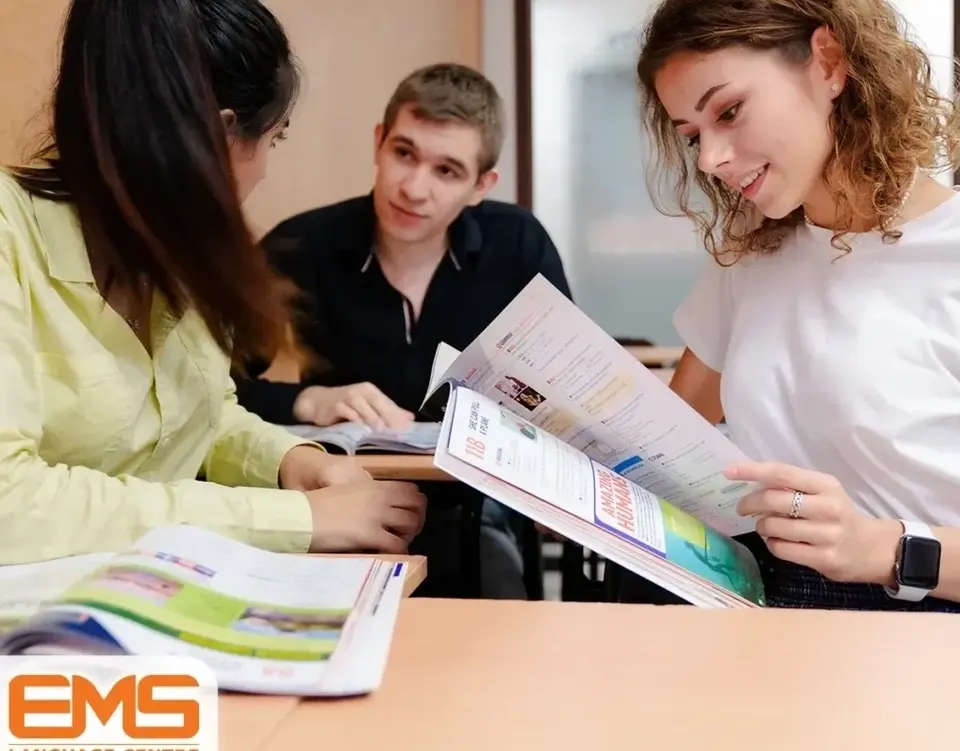

When parents and students search for an English summer camp in Malaysia, one of the most important questions they ask is simple: What will students actually learn?
A successful summer program should offer more than entertainment. It should deliver structured language development, measurable academic progress, and real confidence growth. At EMS, the Summer English Camp is carefully designed to provide practical communication skills, academic support, and immersive language exposure that produces noticeable improvement within weeks.
Below is a detailed look at what students learn at the EMS Summer English Camp and how each component supports long term language development.
Daily English Speaking and Communication Practice
Speaking confidence is often the biggest challenge for English learners. Many students understand grammar and vocabulary but hesitate when it comes to real conversations. EMS Summer Camp directly addresses this challenge through daily structured speaking activities.
Role Plays and Real Conversations
Students participate in guided role plays that simulate real life situations such as:
- Introducing themselves
• Asking for directions
• Participating in classroom discussions
• Sharing opinions
• Presenting ideas
These activities reduce fear of speaking and help students practice spontaneous communication. Instead of memorizing dialogues, students learn how to construct responses naturally.
Presentation Skills Training
Public speaking is integrated into the curriculum through short presentations and group projects. Students learn how to:
- Organize ideas logically
• Use appropriate vocabulary
• Speak clearly and confidently
• Maintain eye contact
• Respond to questions
Presentation training not only improves English skills but also strengthens leadership and academic readiness.
Group Discussions and Debates
Structured discussions encourage students to express opinions while respecting others’ viewpoints. These sessions improve:
- Fluency
• Listening skills
• Vocabulary expansion
• Critical thinking
By practicing in supportive small groups, students gradually become more comfortable participating in larger conversations.
Interactive Classroom Activities
The EMS Summer English Camp follows a structured curriculum that balances speaking practice with grammar, reading, writing, and listening development.
Vocabulary Development
Students expand both conversational and academic vocabulary. Lessons focus on high frequency words used in everyday situations as well as academic terms that support classroom success.
Vocabulary building includes:
- Word mapping exercises
• Context based usage
• Thematic lessons
• Peer practice
This approach ensures students can apply new vocabulary immediately.
Grammar in Context
Rather than memorizing grammar rules in isolation, students learn grammar through practical application. For example:
- Verb tenses practiced through storytelling
• Conditionals used in role play scenarios
• Sentence structure reinforced through presentations
Learning grammar in context improves retention and real world usage.
Listening and Reading Practice
Strong listening skills are essential for academic success. EMS integrates listening exercises that include:
- Conversations
• Academic lectures
• Interactive audio tasks
Reading practice strengthens comprehension and vocabulary recognition. Students work with age appropriate texts that reinforce classroom themes.
Writing Skills Development
While speaking is a major focus, writing remains an essential component of English proficiency.
Structured Paragraph Writing
Students learn how to write clear, organized paragraphs with:
- Topic sentences
• Supporting details
• Logical transitions
Short Essays and Creative Writing
Creative tasks encourage imagination while reinforcing grammar and vocabulary usage.
Feedback and Correction
Teachers provide constructive feedback that helps students identify patterns and improve clarity.
Strong writing skills complement speaking ability and support overall language mastery.
Cultural and Group Learning Activities
Immersion extends beyond classroom lessons. Cultural and collaborative experiences play an important role in reinforcing English usage.
Team Based Challenges
Students work together on projects that require communication and problem solving. These activities promote:
- Leadership
• Collaboration
• Active listening
• Decision making
English becomes the primary tool for cooperation.
Cultural Exploration
Students learn about Malaysian culture through supervised excursions and discussions. These experiences provide opportunities to use English in authentic settings.
Exposure to new environments encourages natural language use and builds confidence.
Confidence Building Games
Interactive games reduce performance anxiety and make learning enjoyable. Students often speak more freely during activities that feel less formal.
Fun learning experiences strengthen retention and reduce hesitation.
How Lessons Improve Real World Communication
The EMS Summer Camp is designed to ensure that language learning translates into practical outcomes.
Academic Preparation
Students improve skills needed for classroom participation, including:
- Answering questions clearly
• Participating in group projects
• Understanding teacher instructions
• Completing written assignments
Improved English supports overall academic success.
Everyday English Situations
Lessons include practical communication skills for:
- Travel
• Social interactions
• Shopping and daily activities
• Making new friends
Students gain independence in real world environments.
IELTS Skill Support
For students preparing for international exams, EMS integrates foundational IELTS related skills such as:
- Listening accuracy
• Structured speaking responses
• Academic vocabulary usage
Although the Summer Camp is not solely an exam course, these elements strengthen future preparation.
Small Class Sizes and Personalized Feedback
Effective learning requires attention and guidance.
Placement Testing
Students are placed into appropriate levels to ensure balanced instruction.
Individualized Support
Teachers monitor progress and provide corrective feedback tailored to each student’s needs.
Continuous Encouragement
Positive reinforcement motivates students to continue practicing without fear of mistakes.
Small class environments accelerate improvement and build self confidence.
Measurable Results by the End of Camp
Students typically experience noticeable improvement in several areas.
Increased Speaking Fluency
Students form sentences more quickly and respond with less hesitation.
Improved Pronunciation
Focused practice reduces common pronunciation errors.
Greater Participation
Students contribute more actively in group discussions.
Expanded Vocabulary
Learners use a broader range of words in conversation and writing.
These improvements often continue long after the camp concludes.
Long Term Language Benefits
A well structured summer program creates lasting impact.
Stronger Academic Confidence
Students return to school more comfortable speaking English.
Improved Communication Skills
Fluency enhances participation in academic and social settings.
Motivation to Continue Learning
Positive summer experiences inspire ongoing language development.
Why EMS Summer Camp Stands Out
Many programs advertise fun experiences, but EMS combines enjoyment with measurable academic structure.
Qualified English Instructors
Teachers are trained professionals who understand language development methodologies.
Structured Curriculum
Lessons follow clear objectives and progression.
Safe Learning Environment
Supervised activities ensure student wellbeing.
Balanced Schedule
Students experience a healthy mix of academic focus and recreation.
Who Benefits Most from EMS Summer Camp
The program is ideal for:
- Students seeking speaking confidence
• Learners preparing for academic advancement
• Students interested in international exposure
• Young learners who benefit from immersive environments
Whether beginners or intermediate learners, students gain structured support tailored to their level.
Preparing for a Successful Summer Experience
Families considering EMS Summer Camp should prepare by:
- Encouraging students to practice basic conversation before arrival
• Setting personal learning goals
• Maintaining an open mindset toward cultural experiences
A proactive attitude enhances the benefits of immersion.
Register Today
The EMS Summer English Camp offers structured academic learning, daily speaking practice, cultural immersion, and measurable improvement in confidence and fluency.
Spots for the June to August sessions are limited due to high seasonal demand.